
English| EUR
Suggested for you
More currencies
Choose a language
Preparing for a self guided food tour chinatown san francisco requires understanding the neighborhood's grid and historic daily rhythms. Navigating the dense alleys, traditional bakeries, and tea houses between Bush Street and Broadway demands practical planning.
Quick answer
Access to the district's public streets and sidewalks requires an entrance fee of 0 USD, meaning your exploration is entirely free. However, the best arrival window is between 10:00 and 15:00. Exploring during this timeframe avoids morning setup and evening closures at some popular bakeries and dim sum shops.
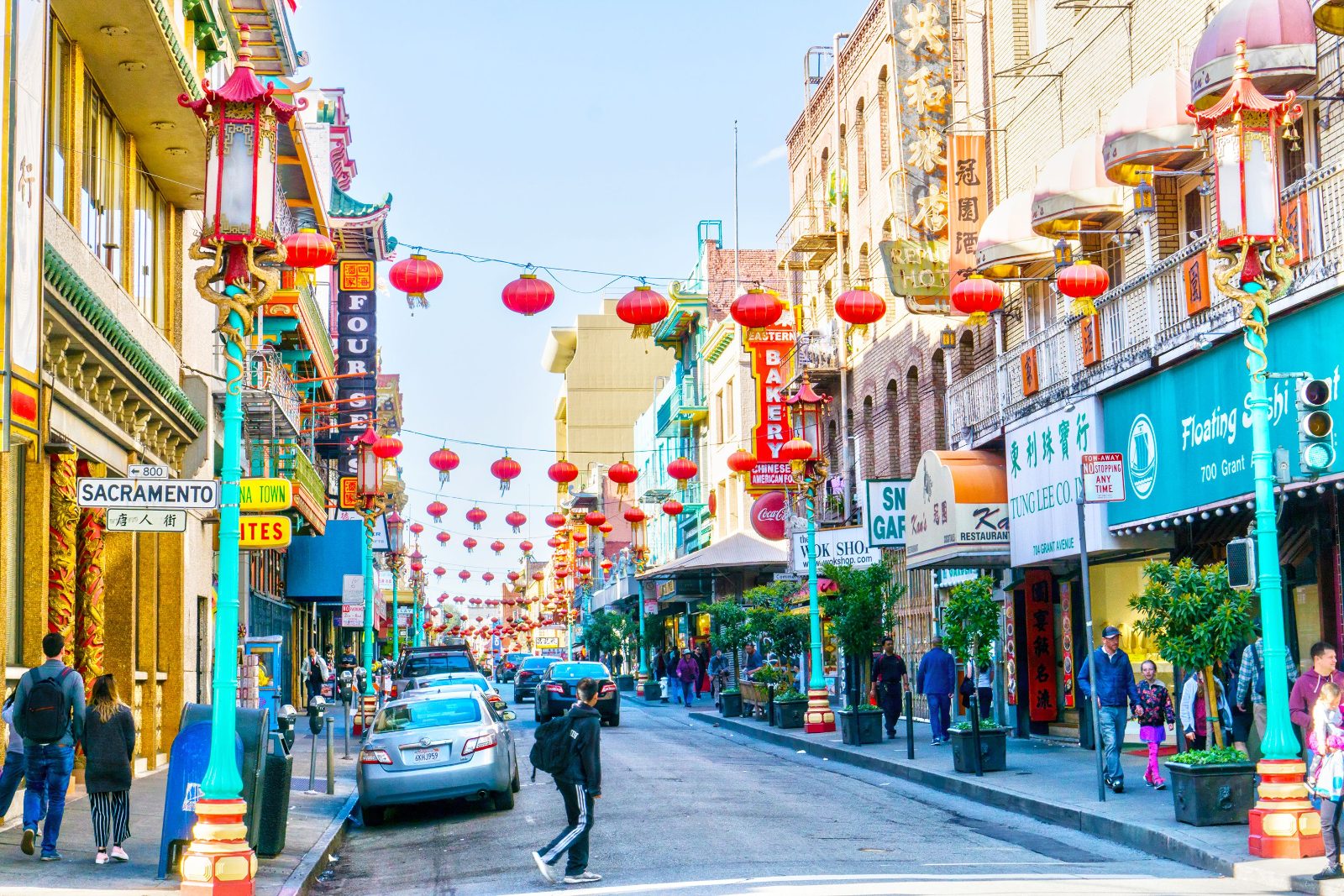
San Francisco's Chinatown rebuilt itself after the 1906 earthquake in a deliberate "Oriental" architectural style to attract tourists, creating the visual aesthetic that defines the neighborhood today. Embarking on a self guided food tour chinatown san francisco means stepping into the oldest continuous Chinese settlement in North America, a densely packed 24-square-block grid. The neighborhood stretches primarily from the Dragon Gate at Grant Avenue and Bush Street upward toward Broadway. While Grant Avenue serves as the historical thoroughfare lined with distinctive architecture and curio shops, parallel corridors like Stockton Street function as the primary commercial arteries where residents purchase fresh produce and daily provisions. Navigating this dense urban environment requires understanding the contrast between these parallel streets and the narrow alleys connecting them. Exploring the district on foot involves negotiating steep inclines, particularly when moving laterally between the main avenues. A successful walking route often incorporates historic side streets like Ross Alley and Waverly Place, which house traditional tea houses and fortune cookie operations tucked away from the main pedestrian traffic. Because the neighborhood operates primarily as a localized residential and commercial hub rather than a curated exhibition, the pace of foot traffic shifts dramatically throughout the day. Morning deliveries crowd the narrow sidewalks, while afternoons see a steady stream of residents passing through Portsmouth Square, widely considered the neighborhood's communal living room. Visitors mapping out their culinary route should account for these shifting sidewalk dynamics and prepare for a highly active urban environment. Most independent culinary excursions through the area require roughly two to three hours to comfortably navigate the terrain while leaving time for stops at bakeries and market stalls. Sidewalks become heavily congested during weekends, making weekday visits preferable for those who want to examine storefronts and historic architecture without blocking pedestrian flow. Weather in this microclimate frequently shifts, bringing cold fog through the steep corridors even during summer afternoons, so layering clothing remains a practical necessity. By treating the district as a living commercial center rather than a static landmark, visitors can efficiently execute a self guided food tour chinatown san francisco and capture the historic atmosphere alongside its modern daily rhythm.
“Exploring the district on foot involves negotiating steep inclines and shifting sidewalk dynamics, particularly when moving laterally between the main avenues.”
This chronological route requires about five hours and suits visitors who want to sample regional specialties at an independent pace. The sequence starts at the neighborhood's southern entrance and moves north through key culinary and market corridors.
Begin your self-guided walk at Grant Avenue and Bush Street. Pick up a warm egg tart from a nearby bakery to eat while you navigate the pedestrian traffic.
Step into a traditional tea merchant for a seated tasting session. Spend 30 minutes learning how to brew and evaluate different oolong or pu-erh leaves.
Navigate to Waverly Place or the surrounding side streets for a sit-down dim sum meal. Expect to wait 15 to 20 minutes for a table, then order steamed dumplings and barbecue pork buns.
Walk down Ross Alley to watch workers fold cookies on historical cast-iron presses. The space is tight, so you may need to queue outside for a few minutes before entering.
Walk one block west to observe the dense grocery district. Move carefully along the crowded sidewalks as residents shop for live seafood and fresh produce.
Purchase a sesame ball or cocktail bun and carry it to Portsmouth Square. Conclude your tour by observing locals playing card games and xiangqi in the open plaza.
The best arrival window is 10:00–15:00 to access a wide selection of items at popular bakeries and dim sum shops while avoiding early setup and late-day closures. This timeframe balances operational hours with the ability to navigate the neighborhood comfortably.
—
Lower pedestrian traffic allows for easier access to counter service at local shops.
—
This window ensures shops are fully stocked and operating, making it the practical choice for food-focused visits.
Mild temperatures (55°F–70°F)
These seasons offer comfortable walking weather, though Chinatown remains busy year-round regardless of the month.
Verdict: For the optimal self-guided experience, aim for Tuesday to Thursday between 10:00 and 15:00 during the months of April or October.
The self-guided food tour of San Francisco Chinatown begins at the intersection of Grant Avenue and Bush Street. This location serves as the primary gateway to the neighborhood and is easily accessible via the city's public transit network.
Muni Metro to Montgomery Street Station
Muni Bus 1 or 8 to Grant Ave & Bush St
Walk north from Union Square
Drop off at Grant Avenue and Bush Street
For the most efficient start, target the intersection of Grant Avenue and Bush Street between 10:00–15:00. This arrival window ensures you avoid morning setup delays and evening closures at key food establishments.
A self guided food tour of San Francisco Chinatown involves no admission fees for accessing the neighborhood's public streets and sidewalks. Costs are entirely dependent on the individual food and beverage items you choose to purchase from local vendors.
Verdict: A typical visitor pays 0 USD for admission, with total spending determined solely by personal food preferences and the number of establishments visited.
Chinatown San Francisco is a public district, meaning its streets and sidewalks are accessible twenty-four hours a day. Please note that these public access hours are distinct from the individual operating schedules of local bakeries, markets, and restaurants.
Everything you need to know about self guided food tour chinatown san francisco
The area is very walkable, making a self guided food tour chinatown san francisco straightforward for visitors using local maps or digital guides. The neighborhood's compact grid allows you to easily move between historic landmarks and hidden eateries.
The best arrival window is 10:00–15:00 to ensure you avoid morning setup times and evening closures at popular bakeries. Visiting during this period provides the most consistent access to dim sum shops and tea houses.
There is a 0 USD entrance fee as you are simply exploring public streets and sidewalks. You only pay for the specific items you choose to purchase at individual vendors during your self guided food tour chinatown san francisco.
Begin your journey at the intersection of Grant Avenue and Bush Street, which serves as the traditional gateway to the district. From there, you can follow your preferred path through the bustling thoroughfares and quiet side alleys.
Yes, the pedestrian-friendly nature of the district makes it a great choice for families. A self guided food tour chinatown san francisco offers the flexibility to pace your visit according to the needs of your group.
The most common mistake is arriving too late or too early, which may cause you to miss peak operations at iconic bakeries. Always check your planned stops against standard operating hours to ensure the best experience.