
English| EUR
Suggested for you
More currencies
Choose a language
Visitors mapping out their itineraries often look for an is chinatown in san francisco dangerous guide before booking accommodations. This resource addresses whether visiting Chinatown securely is possible for travelers. You will find concrete realities regarding street conditions, petty theft, and evening foot traffic.
Quick answer
The neighborhood offers 0 USD free entry and is broadly secure for visitors, with the best arrival window between 09:00 and 17:00 when markets and shops are open. Because the district draws massive crowds, petty theft and pickpocketing are the primary concerns rather than violent crime. Walking the main commercial arteries during daylight hours presents minimal risk to tourists.
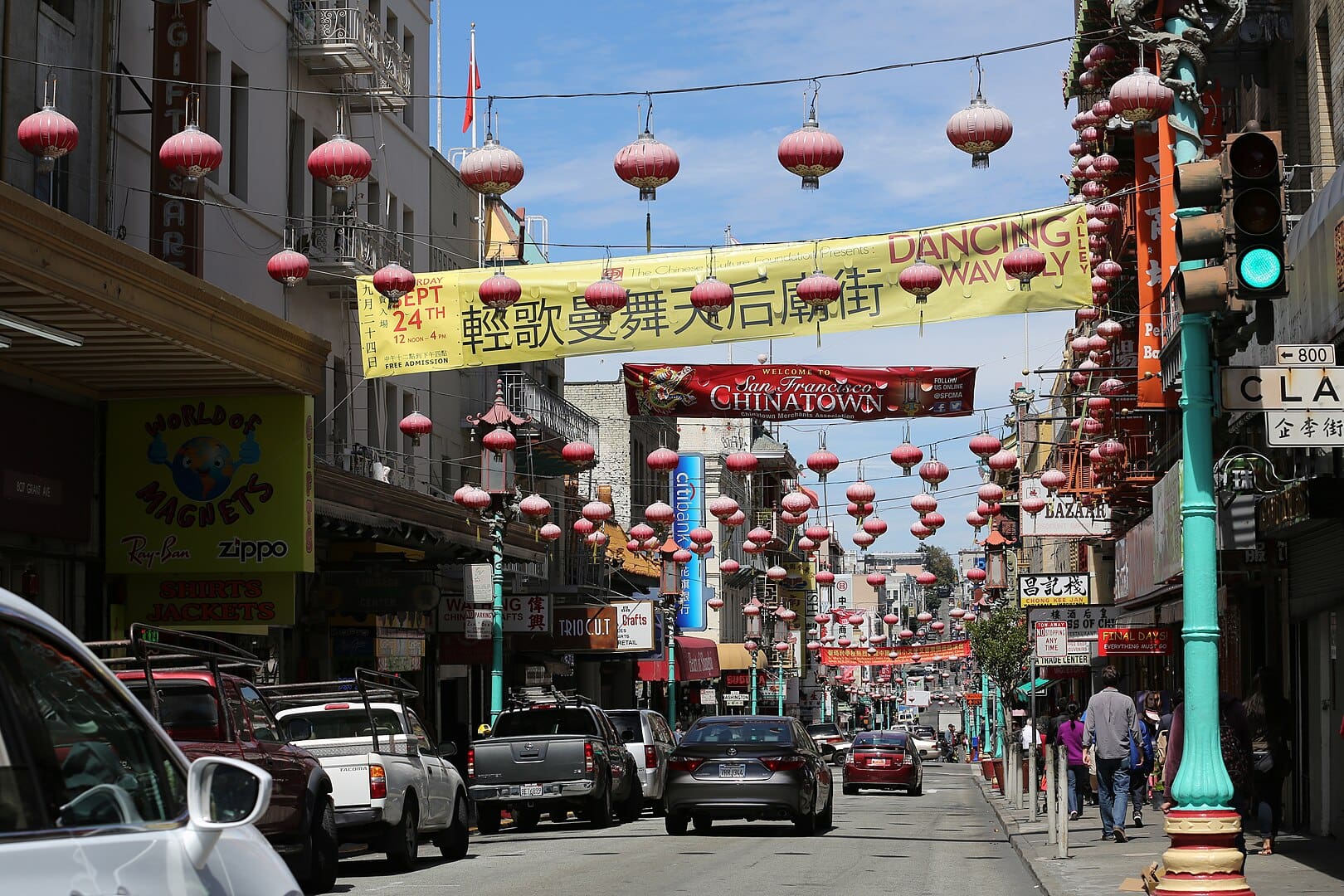
The district spanning Grant Avenue and Stockton Street stands as the most densely populated urban area west of Manhattan. This intense concentration of residents, businesses, and tourists naturally prompts visitors to research the question: is chinatown in san francisco dangerous? In reality, the high volume of daily foot traffic acts as a natural deterrent to violent crime. The streets function as a communal living space for thousands of local families and elders. Walk through Portsmouth Square on any given morning, and you will observe residents practicing tai chi or playing Chinese chess. This active street life creates an environment known as "eyes on the street," which traditionally lowers the incidence of severe offenses. The primary issues travelers encounter here align with standard urban center nuisances rather than localized threats. Understanding these dynamics helps reframe the conversation around SF Chinatown safety. While violent crime remains statistically low for tourists, petty theft requires practical vigilance. The dense crowds gathered around the Dragon's Gate entrance and the bustling produce markets create prime conditions for pickpocketing. Opportunistic thieves target distracted pedestrians holding smartphones or carrying unzipped bags. When analyzing the San Francisco Chinatown crime rate, property crime heavily outweighs physical altercations. Vehicle break-ins are a recognized issue throughout the broader city and extend to the parking garages bordering the neighborhood boundaries. Visitors utilizing street parking near Bush Street or Kearny Street must remove all visible items from their vehicles to mitigate this risk. Additionally, the steep alleyways connecting the main thoroughfares can feel desolate once businesses close. Although these narrow passages are visually striking, they lack the persistent illumination and high pedestrian volume found on the primary commercial avenues. Navigating this historic enclave securely depends entirely on situational awareness and time of day. The municipal police presence maintains a steady patrol through the central corridors, particularly during peak tourist seasons. Community ambassadors also walk the district, providing directions and an extra layer of oversight. As daylight fades, the commercial energy rapidly dissipates. By nightfall, many storefront shutters close, and the once-crowded sidewalks empty out. This drastic shift in atmosphere often makes unfamiliar pedestrians uncomfortable, even if the statistical risk remains relatively low. Travelers who ask, is chinatown in san francisco dangerous, usually find their answer by observing these shifting daily rhythms. Staying on main paths, securing personal belongings, and timing your visit to align with business operations ensures a straightforward experience without unnecessary risks.
“The high volume of daily foot traffic acts as a natural deterrent to violent crime, creating an active street life that lowers the incidence of severe offenses.”
Misconceptions about safety in San Francisco's Chinatown often stem from general urban anxieties rather than the reality of this high-traffic, historic neighborhood. Like any dense city district, it remains a vibrant destination for visitors.
MythChinatown is a high-crime area for tourists.
FactThe neighborhood is a well-trafficked, active community where standard urban situational awareness is sufficient for visitors.
MythIt is unsafe to walk alone in Chinatown.
FactLarge crowds and consistent foot traffic make it a standard urban environment that remains safe for pedestrians.
MythThe area is dangerous at all hours.
FactWhile activity levels shift, the neighborhood remains a public space accessible 24 hours a day, just like any other San Francisco district.
The best time to visit San Francisco Chinatown for a balance of safety and activity is the daylight window between 09:00 and 17:00. Navigating the neighborhood during these hours ensures you experience the local markets and shops while they are fully operational and populated by other visitors.
—
Stores and businesses are quiet and accessible. This is the optimal time for a calm experience.
—
Streets are crowded with visitors and locals. Be aware of your surroundings during peak traffic.
Mild with temperatures 55°F to 70°F
Pleasant weather makes walking between Grant Avenue and surrounding streets comfortable. Clear skies are frequent during these months.
Cool and foggy with temperatures 55°F to 65°F
Expect heavy fog and consistent crowds. The neighborhood remains active despite the overcast conditions.
Verdict: The most favorable time to explore is Tuesday through Thursday between 09:00 and 17:00 during the months of April or October.
Navigating San Francisco Chinatown requires standard urban situational awareness. Avoiding a few common missteps ensures a smooth visit without unnecessary disruptions.
Leaving bags or valuables visible inside parked vehicles.
Use a secure parking garage and place all items in the trunk before arriving. Never leave backpacks or electronics on car seats.
Walking down empty residential alleys after dark.
Keep to main thoroughfares like Grant Avenue and Stockton Street when walking at night. These streets remain well-lit and populated.
Staring at a phone screen while navigating crowded sidewalks.
Step to the side or into a doorway if you need to check directions. This maintains situational awareness and prevents bumping into pedestrians.
Keeping wallets or phones in loose back pockets.
Secure your belongings in a zipped crossbody bag or a front pocket. Crowded market areas require standard urban awareness to prevent pickpocketing.
San Francisco Chinatown is a public neighborhood accessible at all times throughout the week. While the district remains open daily, individual business hours vary.
San Francisco Chinatown is a public neighborhood and does not require an entrance fee or tickets for access. Visitors are free to explore the streets and public spaces at their convenience.
Verdict: The neighborhood remains free to access, though individual costs may arise if you choose to purchase food or participate in private guided tours.
Chinatown is centered around the intersection of Grant Avenue and Bush Street. Utilizing public transit or walking from nearby hubs provides a reliable and direct arrival experience.
MUNI Metro to Montgomery Street Station
MUNI Bus lines 1, 8, or 30 to Stockton Street
Parking at Portsmouth Square Garage
Walk north from Union Square
The optimal arrival window is 09:00–17:00 to navigate during peak activity. Arriving at the main gate at Grant Avenue and Bush Street provides a clear entry point into the district.
Everything you need to know about is chinatown in san francisco dangerous
Like many bustling urban districts, visitors often ask if chinatown in san francisco dangerous, but the area is generally safe for tourists during daylight hours. Maintaining standard awareness of your surroundings while exploring busy corridors like Grant Avenue is recommended. Most visitors find the neighborhood vibrant and welcoming for daytime exploration.
When considering if chinatown in san francisco dangerous, it helps to compare it to other San Francisco landmarks. Petty theft can occur in crowded transit hubs and tourist zones, so keeping your belongings secure is standard practice. The neighborhood remains a historic cultural center enjoyed by thousands of guests daily.
To ensure a comfortable visit, aim for the best arrival window of 09:00–17:00. This timing allows you to experience local culture, markets, and shops while they are fully operational before evening. Navigating during these hours provides a clear view of the bustling street life and community activity.
Families frequently visit this historic district, and when researchers ask if chinatown in san francisco dangerous, they often find the pedestrian-friendly streets manageable during the day. Keeping children close in busy markets and near street crossings is advisable as with any metropolitan area. The area offers unique cultural experiences that are well-suited for family groups.
Visitors should respect local customs and maintain personal awareness while walking the narrow sidewalks. While the query is chinatown in san francisco dangerous often arises, common sense regarding personal property and public behavior ensures a smooth visit. Staying in well-lit, populated areas is always a sound strategy for any urban exploration.
The perception of safety in this historic district often stems from its high density and busy pedestrian traffic. While it is not inherently dangerous, being mindful of your environment is the best approach for any traveler. Most people find that the vibrant atmosphere and cultural richness far outweigh concerns when visiting during peak operational hours.